Best Folk Horror Films
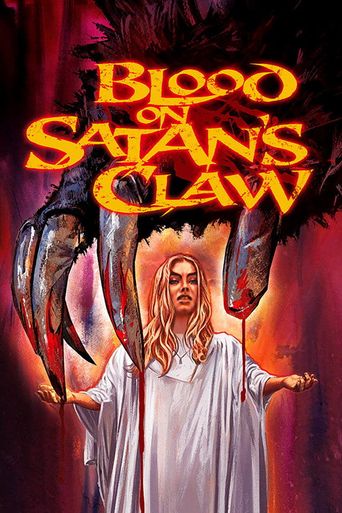
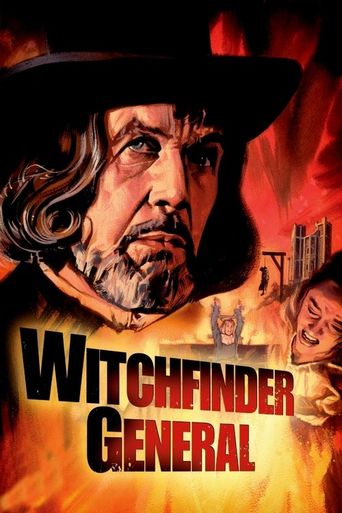
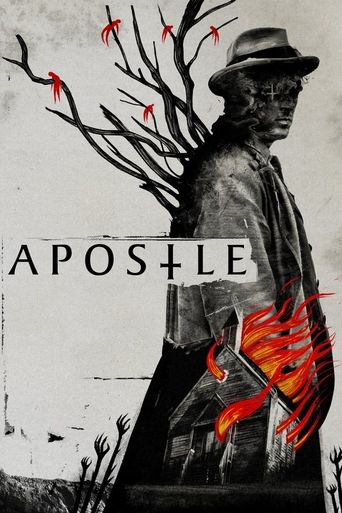
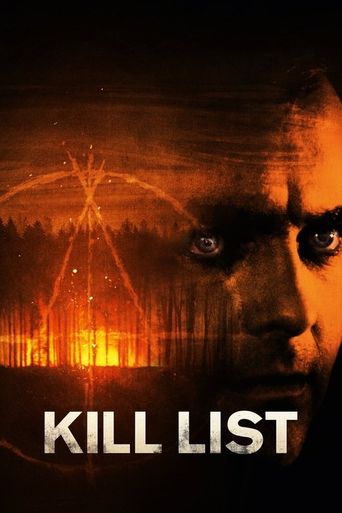
Folk horror draws its power from the old ways — pagan rituals, rural isolation, and the sense that the land itself remembers things best forgotten. The genre has a specific DNA: communities with secrets, landscapes that feel hostile, and traditions that demand sacrifice. We've excluded films that happen to be set in the countryside but don't engage with folklore or ritual. If the horror comes from ancient belief rather than a masked killer or a haunted house, it belongs here.
20 films· Updated 1 Jun 2026
Explore more
Related lists
Other ways to browse
Frequently Asked Questions
What defines folk horror?
Three elements: landscape (rural, isolated, ancient), lore (pagan, pre-Christian, or indigenous belief systems), and happening (a ritual, sacrifice, or confrontation with the old ways). The best folk horror makes you feel that the land itself is complicit.
What should I watch first?
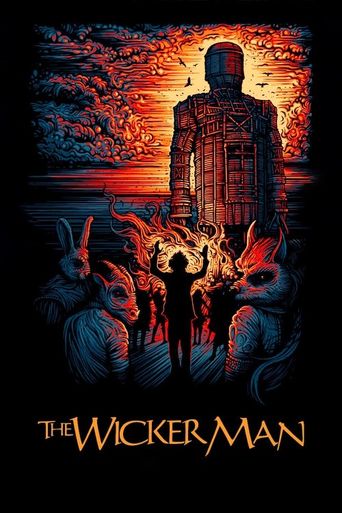
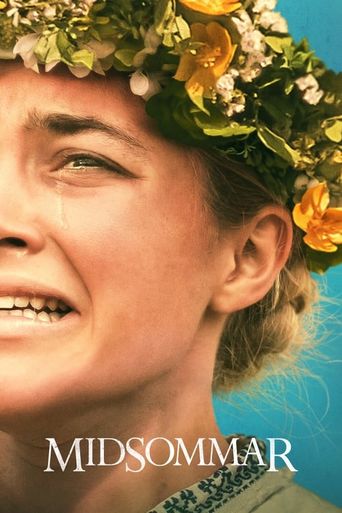
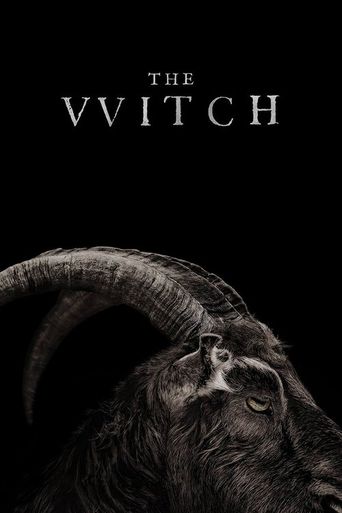
The Wicker Man (1973) is the genre's founding text. Midsommar (2019) is the accessible modern entry point. The Witch (2015) is the one that made folk horror mainstream again.
Is Hereditary folk horror?
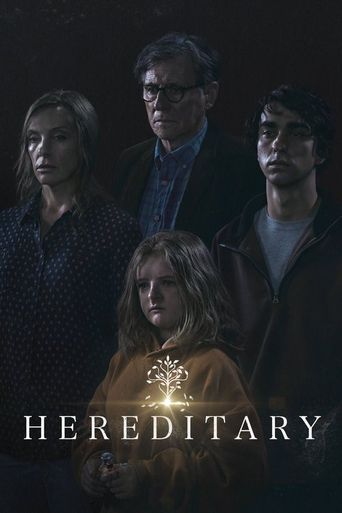
It has cult elements, but its core is grief and family trauma with a supernatural payoff. We've included it here because the Paimon cult thread is structurally folk horror — secret community, ancient ritual, unwitting sacrifice — even if the film doesn't feel like a traditional folk horror film.