Best Horror Films That Feel Genuinely Uncanny
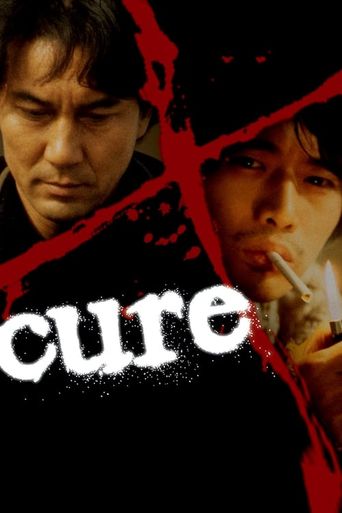
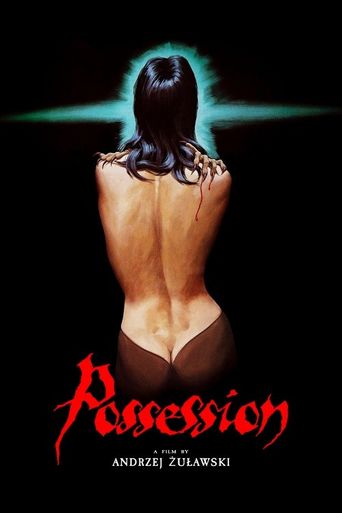
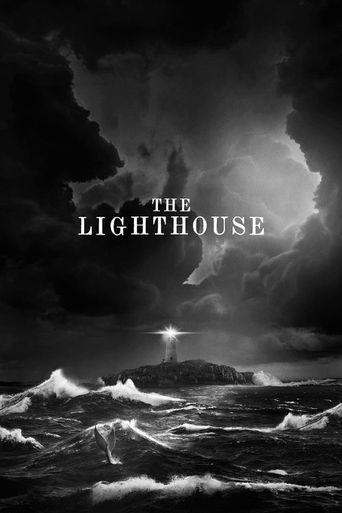
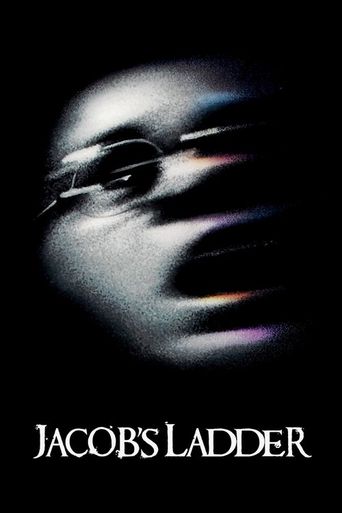
Uncanny horror doesn't scare you with monsters or jump scares — it unsettles you by making the familiar feel wrong. Something about the rhythm, the faces, the spaces, or the logic is subtly off in a way your brain can't quite resolve. These films create a persistent sense of wrongness that stays with you longer than any jump scare. The effect is closer to a bad dream than a horror film — and that's exactly why it works.
20 films· Updated 1 Jun 2026
Explore more
Related lists
Other ways to browse
Frequently Asked Questions
What does 'uncanny' mean in horror?
The uncanny is Freud's unheimlich — the familiar made strange. In horror, it means something that looks almost normal but is subtly, deeply wrong. A face that doesn't move right. A house that feels empty when it shouldn't. A conversation that follows dream logic instead of real logic. The fear comes from the gap between what you expect and what you get.
What should I watch first?
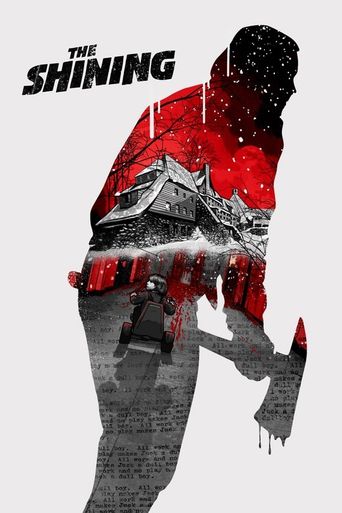
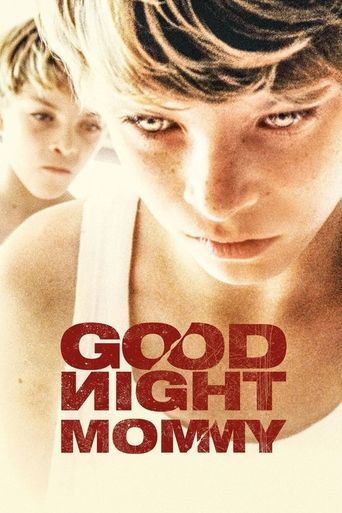
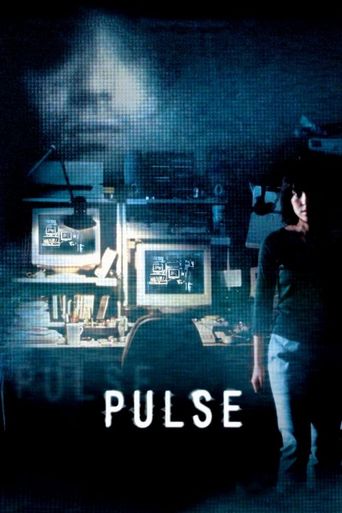
The Shining (1980) for the most famous uncanny horror — the Overlook Hotel is designed to feel wrong in ways you can't always articulate. Goodnight Mommy (2014) for modern uncanny. Pulse (2001) for digital-era existential dread.
Is uncanny horror the same as surreal horror?
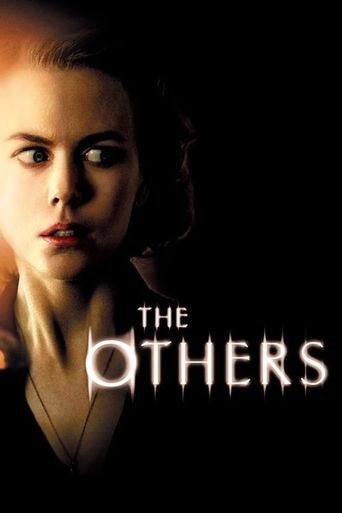
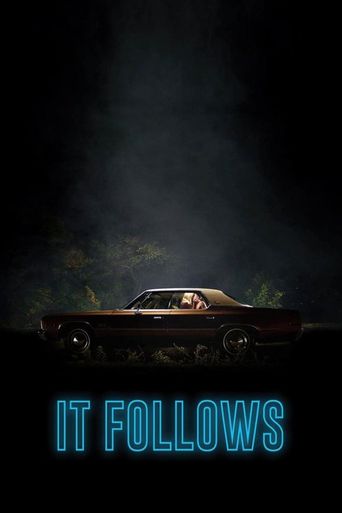
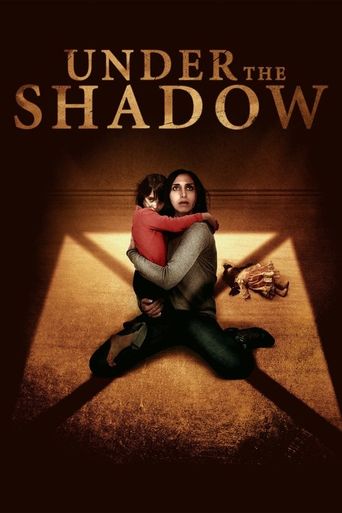
Not quite. Surreal horror embraces the dreamlike and impossible (Suspiria, Tetsuo). Uncanny horror stays closer to reality — the wrongness is subtle enough that you keep trying to rationalise it. Under the Shadow, It Follows, and The Others are uncanny because they look almost normal. Suspiria is surreal because it doesn't try to look normal at all.