Best Horror Films Set in One Location
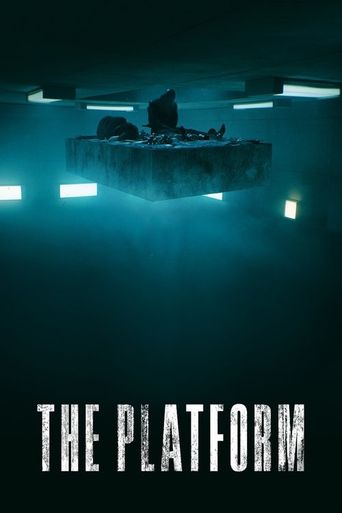
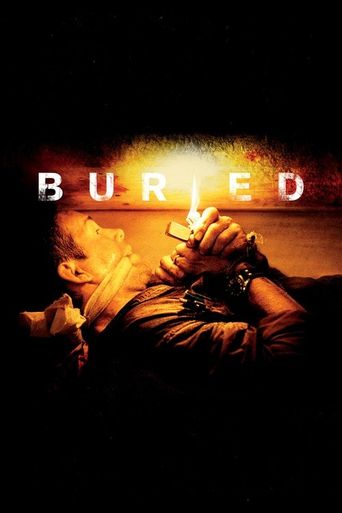
Strip away the option to run and horror becomes something else entirely. The films on this list unfold in a single location — a research station, a cabin, a basement, a lighthouse — and use that confinement as a pressure cooker. Relationships fracture, paranoia escalates, and the walls close in. There's a reason filmmakers keep returning to this format: when characters can't leave, every scene carries the weight of inevitability. These are the horror films that prove you don't need a big world to create an overwhelming sense of dread.
20 films· Updated 1 Jun 2026
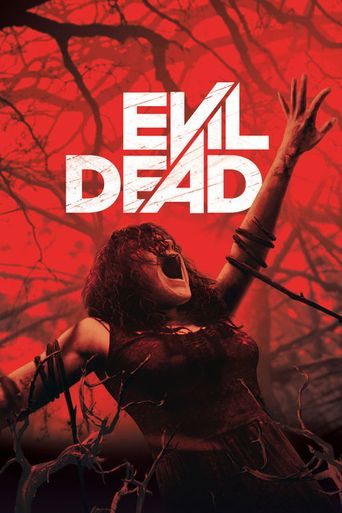
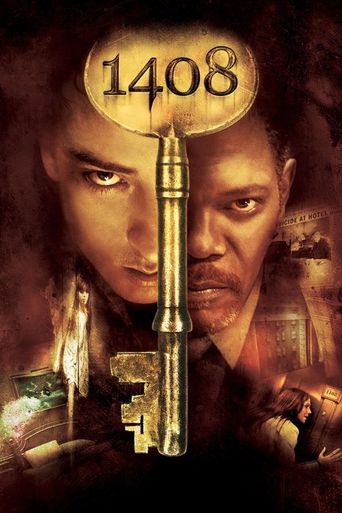
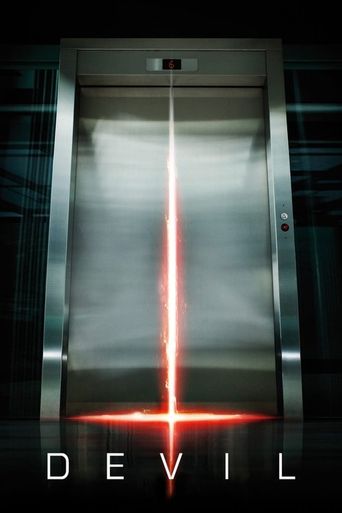
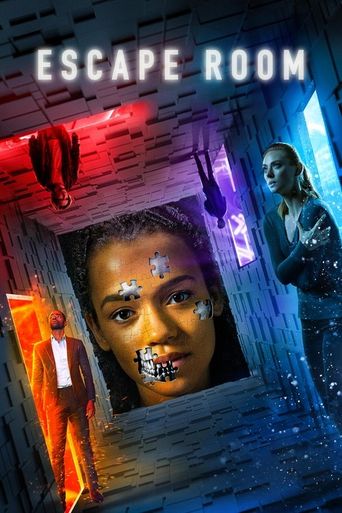
Explore more
Related lists
Other ways to browse
Frequently Asked Questions
What is the best single-location horror film?
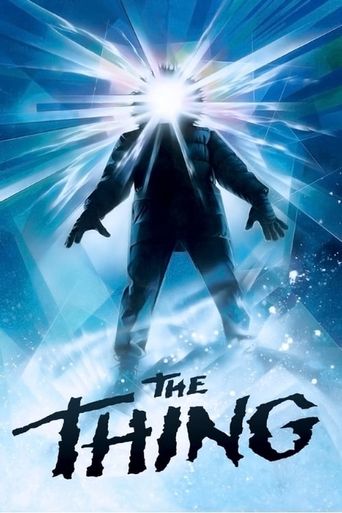
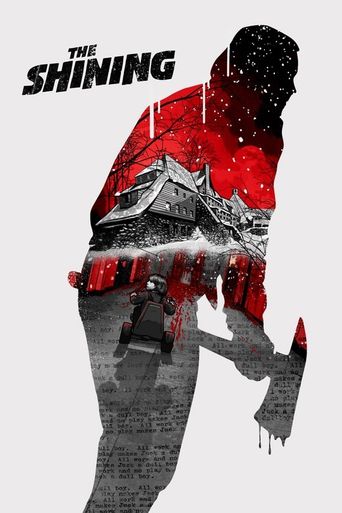
The Thing (1982) is the gold standard. An Antarctic research station, a shape-shifting alien, and a group of men who can't trust each other or leave. John Carpenter uses the confined setting to build paranoia so thick you can feel it in every scene. The Shining is the other obvious answer — the Overlook Hotel is as much a character as Jack Torrance.
Why are single-location horror films so effective?
Confinement removes the audience's psychological escape hatch. In most horror, you think 'just leave the house.' Single-location films make that impossible — the characters are trapped by geography, weather, circumstance, or something worse. This forces the horror inward: the threat is not just what's outside, but what happens to people under sustained pressure with no way out.
Are there single-location horror films that aren't claustrophobic?
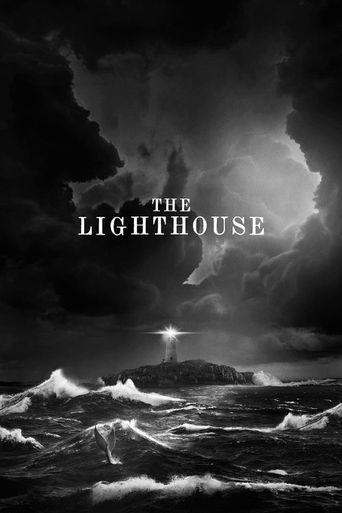
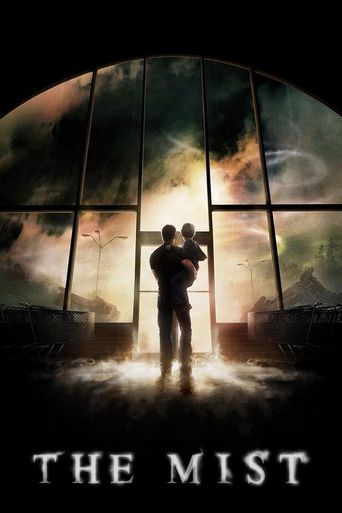
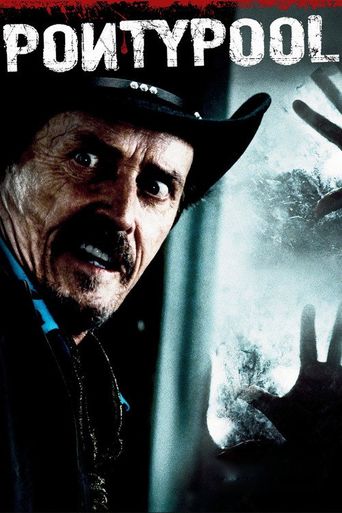
The Lighthouse (2019) is set in a single location but feels expansive — the isolation is more psychological than physical. The Mist (2007) traps people in a supermarket but the real horror is the group dynamics. Pontypool (2008) is set in a radio station and builds dread almost entirely through dialogue and sound.
What single-location horror films are good for a first watch?
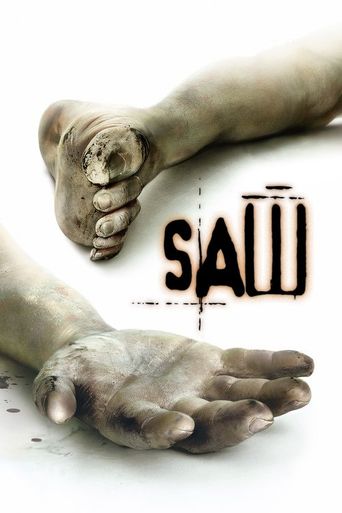
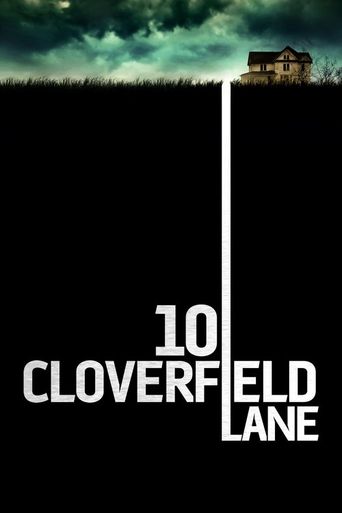
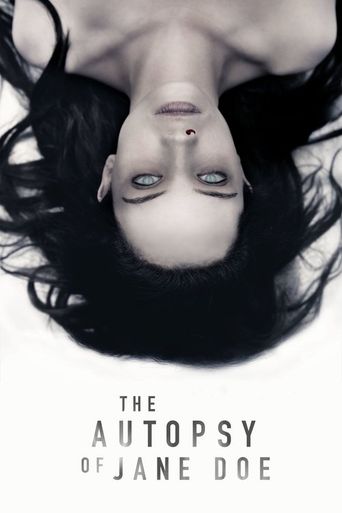
10 Cloverfield Lane is a taut, accessible thriller that doesn't require horror literacy. Saw (2004) — the original, not the sequels — is a clever puzzle-box film. The Autopsy of Jane Doe is a quietly effective two-hander set in a morgue. All three work for viewers who don't usually watch horror.
What is the difference between single-location horror and bottle episodes?
A bottle episode is a TV term for a budget-saving episode set in one location. Single-location horror films use confinement as a deliberate creative choice — the setting is the point, not the constraint. The best ones wouldn't work if the characters could simply walk away.